A compact two-dimensional photonic crystal biosensor can detect glioblastoma brain tissue optically, with neural networks improving its performance, according to research published in nature.com on Se
The work describes a sensor built on a 2D photonic crystal structure and used for optical detection of glioblastoma tissue. Neural networks are applied to enhance that detection, nature.com reports.
Glioblastoma is an aggressive form of brain cancer, which makes tools aimed at identifying its tissue relevant to both diagnosis and research. The approach described in the paper combines a photonic s
The headline and summary released by nature.com do not include details on the sensor's sensitivity, the size of the tissue samples tested, or how the neural network was trained. Those specifics would
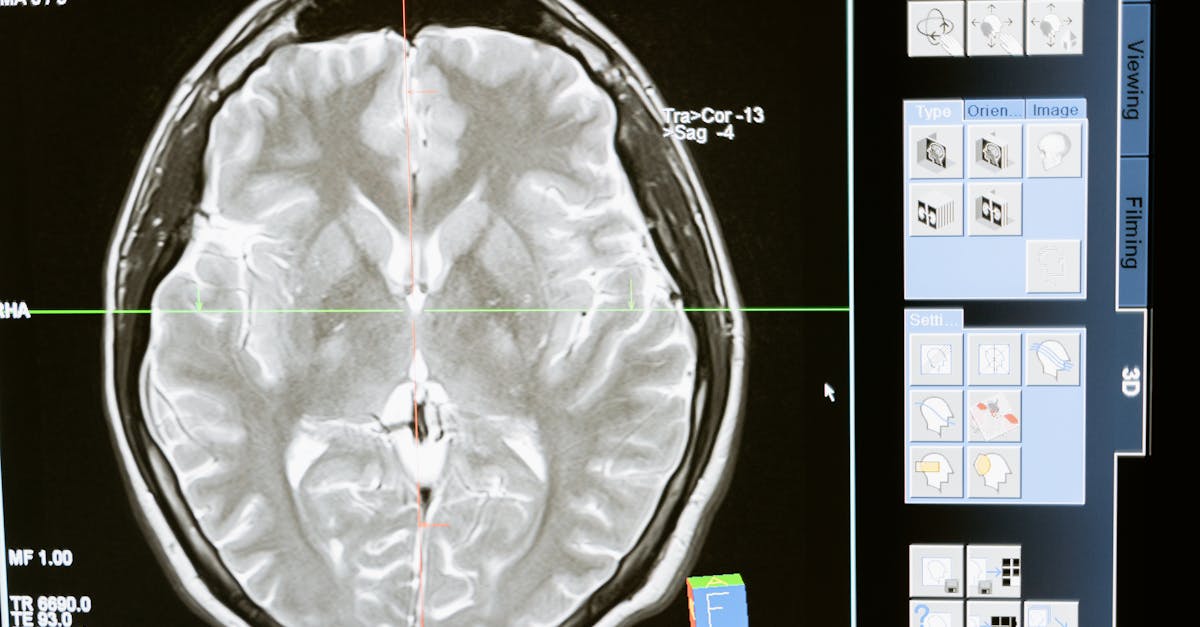
The reported advance fits a broader trend of pairing compact optical devices with computational analysis, where the sensor supplies the physical signal and the neural network helps interpret it. Wheth
What to watch next: the full study, including performance figures and any comparison with standard pathology or imaging methods, will determine whether this sensor-neural network design moves beyond a
A 2D photonic crystal biosensor paired with neural networks can optically detect glioblastoma brain tissue, according to